
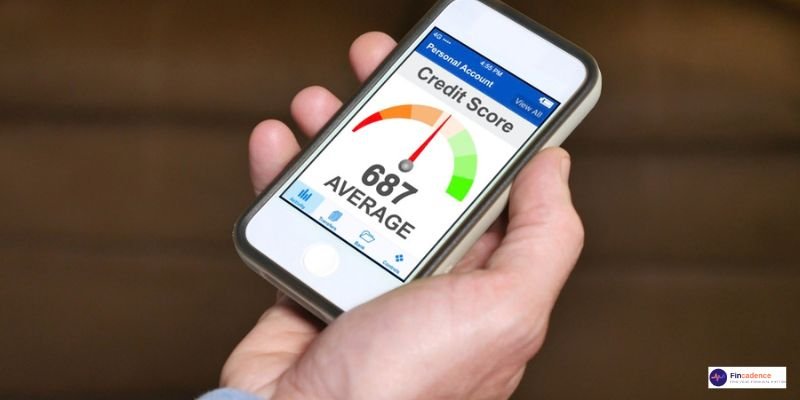
How to Fix My Credit Score is a question many people ask when they want to understand the steps needed to improve their financial health. A poor credit score looms large when you are making any financial decision. It is understandably frustrating when you want to improve your credit card, take out a loan, buy or lease a car, or even sign a lease. Your credit score is the bane of your existence when you want to make these financial decisions and trigger a decrease in your financial stress. Fortunately, your credit score is changeable, and your situation is not hopeless. You can work to improve your credit score and regain the financial decisions you once had.
When people want to know how to improve their credit score, they want an answer that will instantly give them a better credit score. The truth is that there is no quick fix to improving your credit score. Some mistakes on your report can be edited and removed within a few weeks. Other noticeable improvements to your score can take months. In order to achieve a better credit score, you have to be informed about what factors contribute to your score.
Understand What Is Hurting Your Credit Score First
Before making changes, you need to know what is lowering your credit score. Many people start paying bills randomly or opening new accounts without understanding the actual problem. A credit report review gives you a clear picture of what lenders are seeing.
Your credit score is usually influenced by several major factors:
- Payment history: Whether you pay bills on time.
- Credit utilization: How much of your available credit you are using.
- Length of credit history: How long your accounts have been open.
- Credit mix: The variety of credit accounts you manage.
- New credit applications: How often you apply for new accounts.
An individual with a few late payments but low credit card balances would require a different strategy from someone with high credit card debt but a perfect payment history, for example.
First, you need to obtain your credit reports from the major credit bureaus in order to see for yourself what is being reported. Sometimes there are errors such as late payment reports, accounts that are not yours, or out-of-date information that negatively affect your credit score.
From this point on, You Need To Pay All Of Your Bills On Time.
Your credit score is heavily influenced by the report your creditors send to the credit bureaus. One missed payment can remain on your credit report for years and negatively impact your credit score for a long time.
If you are seeking to know how to fix your credit score after missed payments, the first thing you need to do is ensure that you do not miss another payment.
Some easy ways to ensure you do not make a late payment are:
- Setting automatic payments for minimum amounts.
- Creating calendar reminders before due dates.
- Paying bills immediately after receiving income.
- Contacting lenders before missing payments if you are facing financial difficulty.
People tend to zero in on their past errors when developing their spending habits, but your payment history will only improve if you can move past your mistakes and focus on the present and future. You can’t alter what’s done, but you can change what lenders can see.
With on-time payments, your credit history will strengthen, and your credit score will improve as a direct result of your financial improvement.
Lower Your Credit Card Balances and Improve Utilization
Credit utilization is how much of your credit limit you are using, and it can greatly impact your credit score. The lower, the better.
For instance, if your credit limit is $5,000 and your balance is $4,000, your utilization is 80%. Lenders will likely think you are dependent on borrowed money if your credit score is high. You should strive for a balance that is as low as possible, particularly before your credit card company reports your credit card balance to the credit bureaus.
Here are some ways to accomplish that:
- Pay more than the minimum payment whenever possible.
- Make multiple payments throughout the month.
- Avoid adding new purchases while paying down debt.
- Request a credit limit increase if you can manage it responsibly.
I worked with someone who had a lot of credit cards maxed out. They paid off the highest utilization cards first instead of closing accounts. Several months late,r their available credit began to rise in relation to their balances and their credit profile improved. Small changes, consistently repeated, can lead to meaningful results.
Check your credit report for errors.
Sometimes your credit score is low because of mistakes made that aren’t your fault. Credit reporting errors are more common than many people realize.
Common credit report mistakes include:
- Accounts showing incorrect balances.
- Payments marked late when they were paid on time.
- Duplicate accounts.
- Closed accounts reported incorrectly.
- Fraudulent accounts opened under your name.
You have the right to dispute any information that you find to be inaccurate with the credit bureaus. You can support your claim with documents such as payment confirmations, account statements or identity verification records.
When people search for how to fix my credit score, they often focus on paying off debt. However, correcting inaccurate information can sometimes lead to faster improvements because you are removing incorrect negative information from your report. Check your credit reports regularly, particularly if you’ve been the victim of identity theft or financial hardships.
Don’t apply for a lot of new credit.
If your credit score is not where you want it, opening a bunch of new accounts might seem like a good idea. But too many applications can create other problems. Each credit application usually results in a hard inquiry on your credit report. When you have a lot of hard inquiries in a short period of time, lenders might wonder if you’re overextending yourself on credit.
Instead of applying for a bunch of accounts, work on managing the credit you have.
Better strategies are:
- Keeping older accounts open.
- Applying only when necessary.
- Researching approval requirements before applying.
- Using existing credit responsibly.
You don’t have to have the most accounts to build credit. It’s about demonstrating you can handle financial responsibilities on a regular basis.
Keep Old Credit Accounts Open If Possible
Your credit profile can be affected by the age of your credit accounts. Older accounts show lenders you have experience managing credit over time.
Closing an older credit card can reduce your available credit and increase your ratio of credit used. It can also take away the value of your whole profile in your account history.
Before closing an account, consider:
- Whether it has annual fees.
- Whether it contributes to your credit history.
- Whether keeping it open helps your utilization ratio.
In some cases, it’s better to keep an unused credit card open and make a small purchase every now and again. The point is not to have credit accounts. The goal is the creation of a long-term record of prudent credit management.
Also Read About: Debt Validation Letter Template: Free Sample & Guide
Use Credit-Building Tools If You Don’t Have a Long Credit History
One of the issues some people have with their credit scores is that they don’t have a lot of credit history. Lenders have a tough time predicting how responsible you are with money without enough information.
If it sounds like you, credit-building tools can help.
Options can include:
- Secured credit cards.
- Credit-builder loans.
- Becoming an authorized user on a trusted person’s account.
- Reporting eligible payments such as rent or utilities.
When used correctly, these methods can also help to create positive payment history.
But beware. Adding yourself as an authorized user on another person’s account only works if they have good credit habits. If they miss payments or rack up high balances, their behavior could negatively impact your credit profile.
Wait, and learn better money habits.
So many people want to know how to fix my credit score with immediate results, but credit improvement takes time. Your score is a measure of your financial history and restoring confidence with lenders takes time.
What timeline is right for you depends on your situation:
- Small errors or high balances may improve within a few months.
- Serious late payments may require longer recovery.
- Major negative events such as bankruptcy can take years to fully recover from.
The most important thing is to be consistent. By paying your bills on time, reducing debt and making smart financial choices, you’ll build a stronger credit profile over time.
Think of your credit score as a reputation. Building takes time but every responsible decision is another positive mark.
Credit Repair Plan Long-Term
Having a clear plan is easier than random actions to fix your credit score. First, list your biggest credit problems and address them one at a time.
A simple credit improvement plan may look like this:
- Review your credit reports.
- Dispute incorrect information.
- Set up automatic payments.
- Reduce high credit card balances.
- Avoid unnecessary credit applications.
- Track progress every few months.
Improving your credit is more than just reaching a specific number. This is about building financial security and opening up opportunities for the future.
A better credit score can save you money through lower interest rates, better loan terms and more financial flexibility.
Common Questions
How long does it take to repair a credit score?
How long it takes depends on what’s hurting your credit. A few improvements, like reducing your credit card balances, may appear in only a few billing cycles. More serious issues such as missed payments can take longer.
Can I fix my credit score on my own?
Yes, many people can repair their credit without using a credit repair company. You can do things yourself: Check reports, challenge inaccuracies, pay your bills on time and cut back on debt.
Will paying off debt right away boost my credit score?
Paying off debt can improve your credit utilization, but it’s hard to say how this will impact your overall credit profile. Lower balances are normally good but there are other factors that go into your score.
How frequently should I check my credit report?
Reviewing your credit report a few times a year is a good habit. Regular reviews allow you to identify errors, fraud or changes that may affect your credit score.
What is the quickest way to boost my credit score?
The fastest way to improve your score is typically by fixing mistakes on your credit report and reducing your credit card balances. But long term results come from habits sustained over time.
For More Articles: Fincadence.com