
I can still recall the first time I opened a bank account and received a debit card. I mean, I really thought that the little plastic card was my account, more or less. It was from my bank; it had my name on it, and I used it whenever I wanted to spend money. Like many others, I asked myself: Is a checking account a debit card, or is it just two names for the same product?
The answer is simple. They are related. They are not the same. A checking account is where you keep and manage your money. A debit card is a way to access that money to make purchases, get cash or pay bills. Your checking account is your financial home, and your debit card is the key that helps you get in and use what’s inside.
Knowing the difference will make banking easier every day. Understanding how these two banking tools work together can help you avoid confusion and make better money decisions, whether you’re opening your first account, getting your first paycheck or trying to get your finances organized.
What Is a Checking Account, and How Does It Work?
A checking account is a bank account that is designed for everyday money management. You can make deposits, get paid, pay your bills, transfer funds and access your money when you need it. Most people use checking accounts for their everyday financial activities because checking accounts are convenient and accessible.
When you open a checking account with a bank or credit union, the financial institution provides a safe place to store your money. Your employer may deposit your salary directly into your account, or you can deposit money by cash, transfers or checks. Each transaction affects your available balance.
For example, imagine you get your monthly paycheck. Your debit card doesn’t take in money. It goes into your checking account. Your account balance increases, and you have that money to spend with.
A checking account can also help you keep tabs on your financial habits. With online banking apps,s you can monitor your money, set up automatic payments and track your spending habits. It serves as the hub for organizing your everyday finances.
What Is a Debit Card and What Is It Used For?
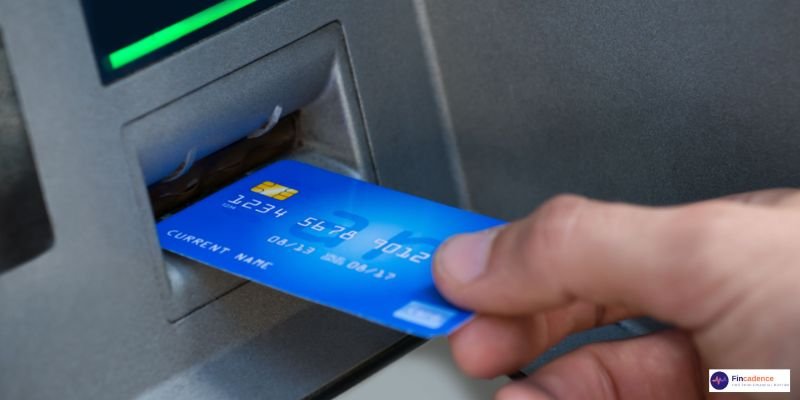
A debit card is a card linked to your bank account. This lets you use the money in your checking account without having to carry cash around. It looks like a credit card, but the way money moves behind the scenes is completely different.
When you buy groceries, pay for dinner or shop online with your debit card, the payment is usually taken out of your checking account balance right away. There is no money on the card itself. It just talks to your bank and says ” approve ” or “decline ” a transaction.
Debit cards are popular because you can spend fast and easily. Swipe, tap or enter your card details online in seconds. You can also take money out of an ATM with a lot of debit cards, so you can get real cash whenever you want.
A debit card is like a remote control for your checking account, I suppose. The remote doesn’t make the power; it just lets you control something that is already there. Similarly, your debit card allows you to access money that is already in your bank account.
What is a Checking Account? Debit Card vs. Checking Account: The Easy Explanation
What a lot of people look for is a checking account and a debit card because banks often give both when someone opens a new account. They can look like one thing, but they do completely different things in this combination.
A checking account is the real account where you put your money. The debit card is the physical or digital payment method tied to that account. One is for holding and managing your money, and the other is for spending it.
Here’s a straightforward instance. Say you have a wallet. Your checking account is the money in your wallet. The debit card is you reaching into your wallet. Your hand does not have the money, but it helps you get it.
The same applies to banking. It needs to have something behind your debit card to work. That money is usually deducted from your checking account. If you have no money in the account to cover the transaction, your debit may be declined. So, they are two separate financial instruments working together. Both are essential parts of modern banking.
How Checking Accounts and Debit Cards Work In Tandem
Once you get the hang of it, the connection between a checking account and a debit card is actually pretty simple.
First,t the money goes into your checking account. This can be from your paycheck, bank transfer, a cash deposit or other source of income. When you swipe your debit card, the bank checks to see if you have enough money in your account.
Just like Sarah gets paid 2,000 dollars a month, her employer puts the money directly into her checking account. Later, Sarah goes to the grocery store to buy groceries, pays for transportation, and buys things online with her debit card. Her checking account is debited for every purchase.
The debit card does not contain Sarah’s money. All it does is give her access to the money already in her account.
That’s why when you open a checking account, banks often include a debit card. The card is easy for everyday spending, and the account is the financial foundation behind every transaction.
What is the Difference Between a Checking Account and a Debit Card?
While both checking accounts and debit cards are linked, there are some differences between the two. Their purpose is the biggest difference. A checking account is a way to store, organize and manage your money. A debit card is designed for easy payments and easy access to your money.
A checking account exists digitally in a bank’s system. You can manage it through online banking, mobile apps or branch visits. A debit card is a payment instrument that operates through card networks and banking systems.
Another difference is that you do not need a debit card for your checking account to exist. Even without a card, you can still get money, pay bills and move money around. But a debit card typically needs a linked account or funding source to work.
Security is another biggie. If someone obtains your debit card info, they could attempt to make unauthorized transactions. This is why banks provide security features such as transaction alerts, the ability to freeze cards, and fraud monitoring. Knowing the difference can help you get more out of both tools.
Can you have a checking account with no debit card?
Yes, you can open a checking account without a debit card. Most banks will automatically offer debit cards with checking accounts, but it is usually optional to accept one.
Some people do not like to use debit cards as they prefer other forms of payment. Instead, they could pay by check, electronic funds transfer, mobile banking payment, or credit card.
If you pay most of your bills online, you might not need a physical card for everyday expenses. They can still get income into their checking account and make payments without a debit card.
But a lot of people like the idea of a debit card because it gives you instant access to your money. It’s perfect for daily shopping, emergency cash and ATM access.” It’s your personal banking habits and what is easier for you to manage your money.
Can You Use a Debit Card if You Don’t Have a Checking Account?
In traditional banking m, most debit cards are tied to checking accounts. When you open a checking account, most banks will give you a debit card that provides access to your available balance.
There are some exceptions, however. Some prepaid cards and digital financial products may function like debit cards, without being linked to a traditional checking account.
The main difference is the source of the money. With a traditional debit card, purchases are deducted directly from your bank account. Usually, with a prepaid card, you put money onto the card before you spend.
A checking account with a debit card is likely to be more flexible for a person who has daily expenses because they can receive direct deposits, transfer money and access more banking services.
The Difference Between Checking Account, Debit Card & Credit Card
People often mistake debit cards and credit cards because they are very similar in appearance. But the way they work is quite different. A debit card spends money you already have in your checking account. When you purchase something, the money is taken from your available balance.
A credit card is different in that it lets you borrow money from a lender. You borrow up to a limit to buy things and then pay back what you borrowed. If you don’t pay on time, you may have to pay interest.
A checking account is not a payment card and is different from both. This is the account where money is held and administered.
For example:
- Your checking account holds your paycheck.
- Your debit card spends that paycheck.
- Your credit card borrows money that you repay later.
Understanding this distinction can help you avoid expensive mistakes and guide you in selecting the right financial tool for each situation.
Also Read About: How to Pay Off Student Loans Quickly: 7 Proven Tips
Common Mistakes People Make With Checking Accounts and Debit Cards
A common banking mistake is to think your debit card is your account. This is a common mistake, as banks will often launch both at the same time.
Another misconception is that you can use your debit card to help your credit score. With debit cards, you’re using your own money, not borrowed money, so unlike credit cards, the transactions generally don’t establish a credit history.
Some people also forget that debit card purchases immediately or soon after the transaction reduce their checking account balance. If they don’t keep an eye on their account, it can lead to overspending.
I once knew someone who kept checking their debit card balance instead of their real bank balance. They were looking at the wrong thing and were surprised when a payment didn’t go through. This is a little misunderstanding that can cause unnecessary financial stress. Knowing how these tools work can greatly simplify managing money.
How to Choose the Best Banking Option for You
The way you manage your money will determine what type of banking setup is best for you. You’ll generally need a checking account to manage the normal in and out of money and a debit card to make spending in your day-to-day life easier. When selecting a bank account, consider the following: Monthly fees, ATM availability, Mobile banking features, customer support, rt Security opti. ons
If you find yourself shopping, traveling, or needing cash in a hurry often, having a debit card attached to your checking account can be very helpful. If you like to pay digitally and move money online, then look for a checking account with good online banking features. The best banking setup is the one that suits your lifestyle and helps you feel confident managing your money.
Summary
A checking account and a debit card are not the same thing, but they go hand in hand. A checking account is where your money is stored, and a debit card is a convenient way to access and use that money.
Understanding how a checking account and a debit card work helps clear up one of the most common banking misunderstandings. Knowing the difference makes it much easier to manage payments, track spending and choose financial products.
Your checking account is the lifeblood of your everyday finances. Your debit card is just the tool to access those funds when you need them.
FAQs
1. Is a checking account a debit card?
A checking account is not a debit card. No. Your money is in your checking account. Your debit card allows you to access and spend your money.
2. Does each checking account include a debit card?
Most banks provide debit cards with checking accounts, but having a debit card is typically optional.
3. Where does the money come from when I use a debit card?
Money is transferred directly from the checking account connected to your debit card.
4. Is it possible to use a checking account without a debit card?
Yes, you can still use checks, online transfers, and other banking methods without a debit card.
5. Does a debit card build credit?
No, debit cards typically don’t build credit. That’s because you’re spending your own money instead of borrowing money.
For More Articles: Fincadence.com