
When you got to the checkout page of an online purchase, did you ever notice a tiny box requesting a CVV2 number? I recall paying attention to it for the first time. I was unaware of the need for this additional code, even though I knew my card number and expiration date. If you’ve looked up What Is CVV2 in Credit Card, you’re probably trying to figure out why those few numbers are printed on your card.
The intriguing thing is that this small security code is crucial to safeguarding online transactions. It functions as an extra verification step to help ensure you have the real card in your possession, even though it might appear to be just another number you need to enter before clicking “Pay Now.”
I’ve witnessed a lot of people mistaking CVV2 for their card number, PIN, or even account password. Let’s dispel the mystery and learn how this minor feature contributes to the security of digital payments, where to find it, and what to consider before disclosing your credit card information online.
What Does Credit Card CVV2 Mean and Why Does It Exist?
Card Verification Value 2 is referred to as CVV2. Payment networks developed this security code to provide an additional degree of protection when consumers conduct transactions without a physical card. Online shopping, phone payments, and app-based purchases are examples of what are commonly referred to as card-not-present transactions.
The chip, magnetic stripe, or contactless technology on your card aids in transaction verification when you use it in a physical store. Online purchases, however, operate differently. The CVV2 code helps lower the likelihood of unauthorized use because a merchant cannot physically verify that you actually possess the card.
Imagine it as a tiny lock on your electronic wallet. The CVV2 functions as an additional key that verifies your authorized access, whereas your card number is similar to your home address.
Similar security features are referred to by different names by payment companies like Visa, Mastercard, and American Express. The goal is still to assist merchants in verifying online payments and lowering fraudulent transactions, even though the terminology has changed.
Where Does Your Card’s CVV2 Number Appear?
The location of your CVV2 varies depending on the type of card you have, but finding it is generally easy. Because they are unsure where to look, a lot of people waste time looking through their cards.
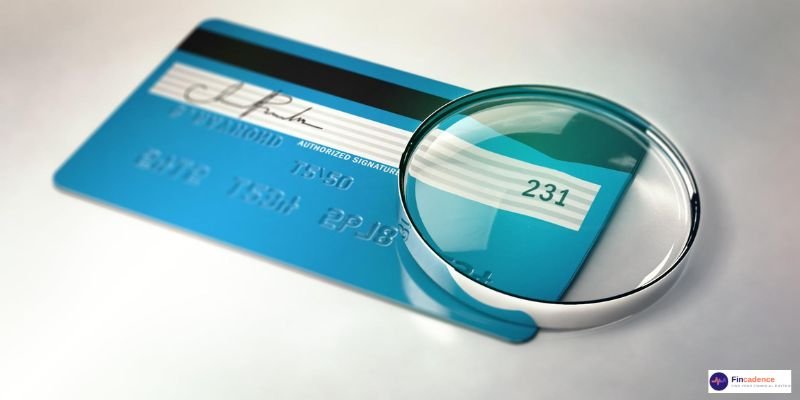
The CVV2 is a three-digit number found on the back of most Visa and Mastercard credit cards, close to the signature strip. Typically, it is distinct from your primary card number and expiration date.
The way American Express cards operate is a little different. They usually use a four-digit Card Identification Number (CID), which is printed on the front of the card above the account number, rather than a three-digit code on the back.
It’s crucial to keep in mind that your credit card number and CVV2 are different. While the security code aids in confirming that you are the one making the purchase, your card number serves to identify your account.
Just a quick tip: don’t store photos of your card on your phone. Many people do this for convenience, but your card information could be more easily misused if someone manages to get access to your device.
How Does CVV2 Operate When Making Payments Online?
In actuality, CVV2 verification is a fairly simple process. Let’s say you are placing an online shoe order. During the checkout process, you input your card number, expiration date, billing details, and security code. A payment processor that interacts with your bank or card network receives these details from the merchant.
The bank verifies that the data is consistent with its records. The payment is accepted if everything appears to be in order. The transaction might be rejected or need more confirmation if something seems off.
Other security measures are not replaced by the CVV2 code. Rather, it functions in tandem with technologies such as identity verification tools, fraud monitoring systems, and encryption.
Because of this, you might occasionally encounter extra steps when making payments online, like getting a verification code via your banking app or phone. Because no one technique can totally stop fraud, banks combine several security layers.
What Makes CVV2 Crucial to Credit Card Security?
Payments have become quicker and simpler thanks to online shopping, but there are now more difficulties in safeguarding financial data. It can be risky to use a stolen card number by itself, particularly if it is paired with other personal information.
CVV2 aims to increase the difficulty of unauthorized online purchases. Criminals who might have obtained stolen card numbers face an additional obstacle because merchants typically do not store the code after transactions.
Assume, for instance, that someone gains access to a database that holds thousands of card numbers. Many online transactions will fail if they don’t have the matching security codes because retailers demand that additional confirmation.
CVV2 isn’t a magical shield, of course. Phishing emails, phony websites, and social engineering scams are just a few of the methods fraudsters still employ to fool people into disclosing personal information.
Because of this, it’s important to safeguard your entire payment profile. Be cautious when handling your card number, expiration date, security code, and personal data.
What Distinguishes CVV2 from CVV, CVC, and CID?
Because different companies use different names for similar security codes, many people become confused.
| Security Code | Card Network | Typical Location | Digits |
| CVV2 | Visa | Back of card | 3 digits |
| CVC | Mastercard | Back of card | 3 digits |
| CID | American Express | Front of card | 4 digits |
The main difference is in branding and payment network terminology. CVV or CVV2 for Visa, CVC for Mastercard, and CID for American Express.
Whatever they are called, these codes do much the same thing: they verify that the person making an online transaction has access to the physical card information. If a website asks you for a CVC, CVV or security code, they are usually asking for the same type of verification feature.
Can Someone Steal Your Money From Your CVV2 Number?
People often ask if someone can empty their bank account if they know their security code. The answer is not simply yes or no.
As a rule, the CVV2 number alone is not sufficient for completing a transaction. Most online merchants also want your card number, expiration date and sometimes the billing address verification.
But sharing your security code with the wrong person can increase fraud risk. Criminals often collect bits of information over time until they have enough to make an unauthorized purchase.
For example, the scammer may pretend to be your bank and ask you to “confirm” your card details. They may sound like a professional, use emails that look official or create fake websites that look legitimate.
A real financial institution won’t usually ask you for sensitive card details through suspicious channels. Never give your details away unless you are sure who is asking for them.
Should You Ever Give Your CVV2 to Anyone?
The safest answer is easy: only enter your CVV2 when you are making a payment on a trusted website or application.
You may not share through:
- Emails
- Text messages
- Social media messages
- Unknown phone calls
- Unverified websites
I have seen a friend almost give full card details after receiving a message that looked like it was from a delivery company. The message said there was a problem with payment and asked for verification of the card. Fortunately, they knew the sender and knew it was a scam.
It’s things like this that make awareness so important. Technology can help protect you, but your own habits are still one of your best security tools. Use trusted websites, check for secure payment pages, enable transaction alerts and check your bank statements regularly.
Also Read About: What Can Restart the Debt Statute of Limitations in Florida?
How to Guard Your Credit Card Information Online
Safeguarding your CVV2 is just one piece of financial safety. Handle your complete payment information with care at all times.
Here are some practical habits that can help reduce your risks:
- Shop only from trusted websites
- Avoid entering card details on public Wi-Fi networks.
- Enable banking notifications for transactions.s
- Use strong and unique passwords.
- Do not save payment details on every website.
- Check your statements regularly.
- Report suspicious activity immediately.
Modern payment systems are very secure, but the bad guys tend to target human error more than system flaws.
A few more seconds looking at a website or message can save you hours of stress later.
Frequently Asked Questions About CVV2 in Credit Cards
What is CVV2 on my credit card?
CVV2 is Card Verification Value 2. It is a security code used to verify card ownership in transactions where the physical card is not present.
Is CVV2 a credit card PIN?
No. The CVV2 is primarily used for online and telephone transactions, and a PIN is used for ATM withdrawals and some face-to-face transactions.
The CVV2 is on the back of your credit card.
The code is usually on the back of most Visa and Mastercard cards, near the signature strip. American Express cards generally have their CID code on the front.
If someone has your CVV2, can they use your card?
The CVV2 alone is usually not enough to make purchases, but it can make it easier to make unauthorized transactions when combined with other card information.
Is it safe to enter CVV2 on websites?
Yes, but only if you are on a trusted and secure site. Don’t enter your card details on suspicious websites, unknown links or platforms that don’t seem legitimate.
For More Articles: Fincadence.com