
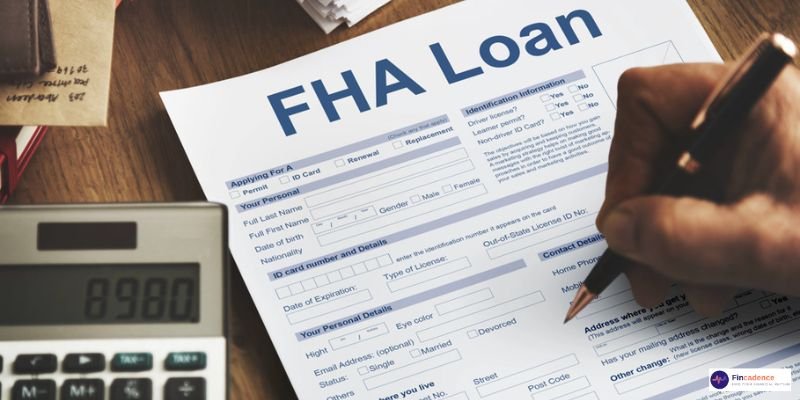
Purchasing a home with student loan debt can feel like trying to solve a puzzle where pieces are missing. You’ve got your income, your credit score, your savings and your career goals, but then there’s that one big question that hangs in the background: “Will my student loans stop me from getting a mortgage?” Knowing FHA student loan guidelines can help you understand exactly how lenders look over education debt and what factors really impact your approval.
I’ve talked to a lot of people who believe student loans automatically prevent them from buying a house. That fear is understandable, but the truth is more nuanced. FHA loans are meant to help borrowers qualify more easily with flexible requirements, and student debt is just a small piece of the overall financial picture. Lenders look at your full profile, including income, credit history, monthly debts and debt-to-income ratio.
In this guide, I’m going to explain how FHA treats student loans, how payments are calculated, what borrowers need to know about current requirements, and practical steps that can help you get approved. Buying a home is stressful enough as is, and the last thing you need is confusion about how your student debt fits into the process.
What are the rules with FHA student loans?
FHA Student Loan Guidelines:s FHA student loan guidelines tell lenders how to consider student loan debt when someone applies for an FHA-insured mortgage. The Federal Housing Administration does not automatically reject borrowers with student loans. Instead, lenders look at how those loans factor into the borrower’s overall ability to pay the mortgage each month.
Here’s one way to think about this: your student loan debt isn’t the bad guy. The key thing in underwriting is the monthly obligation that accompanies that balance. You may qualify if you have a large student loan balance and a high income, but a person with a smaller balance and limited income may have a harder time.
FHA-approved lenders will consider student loans because each monthly debt payment counts toward your debt-to-income ratio (DTI). This ratio helps to determine if taking on a mortgage payment will strain your finances. “FHA requirements are based on responsible lending, not just looking at one number and deciding.
Why Does FHA Consider Student Loans When Approving Mortgages?
People often ask me, “If I’m already paying my student loan payments, why does FHA need to look at them again?”
It’s a question of risk assessment. Before approving a home loan, mortgage lenders want to know how much overall financial responsibility you have. Your income may look great on paper, but if a good chunk of it disappears every month to service existing debt, your ability to take on a mortgage payment changes.
Think of two borrowers that have the same salary, for example. One has a student loan payment of $300 a month; the other has $900 in student debt payments, credit cards and a car loan. They are paid the same amount but have vastly different levels of financial flexibility.
That’s why FHA lenders look at student loans with other debts. They aren’t judging the education decision that led to the debt. They are just working out whether the broader financial picture allows for a sustainable mortgage.
How FHA Calculates Student Loan Payments for Mortgage Approval
One of the most important parts of the FHA student loan guidelines is to understand how lenders calculate the monthly payment amount used in underwriting.
Lenders usually consider information about your student loan that is reported with a monthly payment when they determine your debt obligations. But it gets more complicated when loans are deferred, paused, or don’t have a payment amount that’s actively being paid.
A few years ago, many borrowers feared deferred student loans would automatically add a large monthly obligation to the mortgage calculation. FHA policy updates altered lenders’ perspective on these scenarios, allowing more emphasis on documented payment information when available.
Here are some common scenarios borrowers may experience:
| Student Loan Situation | How It May Be Reviewed |
| Active repayment plan | Documented monthly payment may be considered |
| Income-driven repayment | Payment documentation may be reviewed |
| Deferred student loan | Lender may need additional calculation methods |
| Missing payment information | FHA calculation rules may apply |
The takeaway is simple: Don’t take your student loan status for granted until you’ve reviewed your documentation.
How Student Loans Impact FHA Debt-to-Income Ratio
Debt-to-income ratio is one of the biggest factors in mortgage qualification. It compares your monthly debt payments to your gross monthly income.
Here’s an easy example.
For example: Make $6,000 a month before taxes.
Here are your debts:
- Student loan payment: $400
- Car payment: $350
- Credit card payments: $150
- Future mortgage payment: $1,800
This would make your total monthly obligations $2,700. The lender then compares that number to your income to calculate your debt-to-income (DTI) ratio.
This calculation can help answer an important question: Can you comfortably handle the mortgage with your existing responsibilities?
Many borrowers focus only on their credit score or savings for a down payment, but monthly debt obligations can be equally important. A strong income combined with manageable debt can make a big difference.
Can I Qualify for an FHA Loan with Student Debt?
Yes, many student loan borrowers are eligible for FHA mortgages. Student loans don’t need to hold you back from homeownership.
I remember a time when a first-time buyer thought she had to wait years to buy because of her student loans. She had a steady job, a good credit score and a solid repayment history but thought her outstanding balance would limit her application.
She looked into her finances and found that the student loan was just one part of the approval puzzle. She had her documents in order, knew what the monthly obligations were, and could approach lenders with a lot more confidence.
The relevant factors are typically:
- Stable employment history
- Reliable income
- Credit profile
- Down payment savings
- Existing monthly debts
- Proper documentation
First-time buyers love FHA loans because they offer more flexible qualification options than some conventional mortgage programs.
How Income-Driven Repayment Plans Impact Your FHA Loan
Income-driven repayment plans can be confusing because borrowers often ask whether a lower monthly payment helps them qualify.
The answer depends on the documentation available and how the lender assesses the loan obligation. A borrower who does not have any student loan payment information available may have a different calculation than a borrower who has a clearly documented repayment amount. This is where record-keeping comes in.
Prior to applying for an FHA loan, collect:
- Student loan statements
- Current repayment plan details
- Payment history
- Loan servicer information
A minor paperwork snafu can cause unnecessary delays. “Once they find their dream home, no one wants to find a problem with the documentation.
Borrowers should also be aware that student loan programs can change over time, so it is important to check the most current information from official sources and lenders.
FHA Student Loan Guidelines Borrowers Should Know: Recent Updates
Mortgage rules change,e and borrowers should not count on outdated advice from old blog posts or online chatter.
FHA rules today continue to stress the importance of looking at student loan obligations as part of the overall financial picture of the borrower. FHA also provides periodic updates to lenders through HUD communications and Mortgagee Letters that impact both lenders and loan requirements.
Some main points borrowers should keep in mind include:
- Student loans are considered during mortgage underwriting.
- Documentation plays a major role.
- Your complete financial profile matters more than one debt category.
- Different lenders may have additional internal requirements.
The best thing you can do is to prepare. Know your credit, income, expenses and student loan details before you apply.
Also Read About: Does Opening a Checking Account Affect Credit? Find Out
How Student Loans Can Affect Your FHA Approval Odds
If student debt is on your mind, there are some practical actions you can take.
First, get a copy of your credit report and fix any errors. A mistake on your report can cause problems that have nothing to do with your actual financial position.
Second, cut down on unnecessary monthly expenses. Paying off credit cards or small loans will help your overall DTI ratio.
Third, don’t make major financial changes right before you apply. If you’ve gotten a new car, opened several new lines of credit or changed jobs, it can be harder to get approved.
Finally, get your papers in order early. The simpler your paperwork process, the simpler it is for lenders to consider your application. Remember, the goal isn’t to have zero debt. A lot of homeowners have student loans, car payments and other debt. The aim is to demonstrate that your finances are stable and can be controlled.
Typical Mistakes Borrowers Make With FHA Student Loan Rules
Many FHA applicants make mistakes simply because they don’t understand how student loans impact mortgage approval. One error is to think that deferred loans are not important. Even if you are not making payments now, lenders may still have to account for that future obligation.
Another mistake is to hide debt or to give incomplete information. Transparency is a must in mortgage underwriting. If you try to dodge mentioning a loan, you usually create bigger problems down the road. Borrowers tend to wait too long to review their financial situation as well. A little preparation months ahead of time can make the process much easier.
Your best bet is to know the rules before you start house hunting. It helps you make better decisions, cuts down on surprises and saves you time.
FHA Student Loan Guidelines Q&A
Do student loans affect FHA loan qualifications?
Yep. Having student loans doesn’t automatically disqualify you from getting an FHA mortgage. Lenders will review your entire financial picture, including income, credit and monthly debt obligations.
Do FHA lenders consider student loans in my debt-to-income ratio?
Yeah. Lenders usually factor in student loan payments when they are calculating your DTI ratio because they want to see all of your monthly financial obligations.
FHA Mortgage Approval Can Be Deferred Student Loans
They can do that. Payments may be paused temporarily. Depending on the circumstances, lenders may require documentation and may apply FHA calculation rules.
Can I Qualify for an FHA Loan Using Income-Driven Repayment Plans?
They may be able to help in some cases because a documented lower payment can impact your monthly obligations, but lenders are required to follow FHA standards when reviewing documentation.
Should I pay off my student loans before applying for an FHA loan?
Not necessarily. Paying off debt can help, but it’s not always a good idea to spend all your savings to get rid of student loans. Think of your whole financial picture, including your down payment and emergency savings.
For More Articles: Fincadence.com