
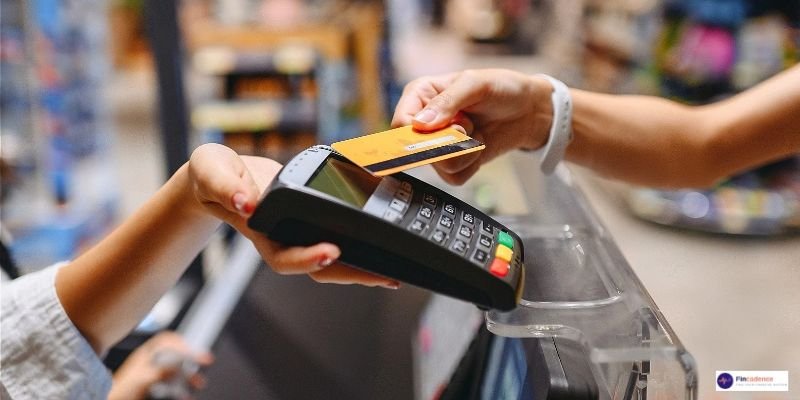
I learned quickly that using a credit card required a different strategy than using a debit card. There’s an opportunity to earn rewards and build credit. But the consequences for negligence can be costly with unexpected interest and fees.
To use a credit card responsibly means having the right understanding of timing. Knowing when to make purchases is the easy part. Using your credit card to buy something means borrowing that money from the bank for a set period of time. Knowing when to pay back the bank is the hard part.
In order to understand How to Use a Credit Card responsibly, it’s important to know how to use it to your advantage without incurring unnecessary charges or debt. Understanding the relationship between the bank, the credit card, and you is the first step to breaking the credit card myths, avoiding blunders, and responsibly using credit cards.
What is a Credit Card?
A credit card is a payment card issued by a bank or financial institution that lets you borrow money for purchases. Unlike a debit card that takes money directly from your bank account, a credit card lets you pay for something now and settle the debt later. Your available credit goes down by the amount of your latest purchase. In this case, it would go down to $1,850, since you charged $150. Once you pay that charge, your available credit goes up to $2,000.
You get a statement each month with your transactions, the balance you owe, and the minimum payment due. You have a set amount of time to pay your statement, and after that, interest is added to your account. What is important to understand is that borrowed money is still debt. It is in your best interest to pay the balance in full. Responsible credit card ownership means understanding the rules of borrowed money and credit card statements.
How to Use a Credit Card Step by Step
If you are using your credit card for the first time, it is best to begin with a simple plan to get used to the process, rather than attempt to figure everything out at once. You should activate your card using your bank’s official site or app. You may also need to set up your PIN. After that, look at your available credit and figure out a number you can comfortably repay. Only after that can you use the credit card to make purchases. Make your purchases judiciously and repay the statement balance when it is due.
A good example of this is Sarah. Sarah gets her first credit card with a limit of $1,000. Rather than using it frivolously, she uses it for a $ 120 grocery charge and a $40 charge for fuel. She keeps track of both of her purchases using her banking app and pays the statement balance when it is due. I think the best way to learn how to use a credit card is to begin with a low limit, watch your transactions, and never spend up to your credit limit.
Understand Your Billing Cycle and Payment Due Date
One of the most important aspects of managing your credit card responsibility is understanding your billing cycle. Your billing cycle is the time during which your card issuer records transactions and statements. For example, your billing cycle may be from March 5 to April 4. Once the cycle ends, your bank prepares a statement and tells you the amount you owe. The statement also provides the due date for this payment.
You should also understand your statement balance and current balance. Your statement balance is what you owe at the end of the billing cycle, and the current balance is what you owe including transactions after the billing cycle. I would suggest that instead of solely relying on payment notifications, you should view your statement to see any errors and to see if you missed any statement deadlines.
Should You Pay the Minimum Payment or Full Balance?
The statement balance and minimum payment are typically shown on your statement. While both show your debt, they affect your finances differently. The minimum payment is the least amount you can pay and still keep your account from becoming past due. Paying the minimum payment due on your credit card bill may help you avoid a missed-payment situation, but the rest of your balance may still continue to accrue interest.
Depending on your financial situation, paying the full statement balance may be a better choice. Your credit card may provide a purchase grace period. Paying your full statement balance by the due date can help you avoid interest on your purchases during that grace period.
For example, if your statement balance is $600 and your minimum payment is $30, you will still owe $570 if you only pay the $30. That $570 will continue to accrue interest. You should always strive to pay more than the minimum balance due, but the minimum payment due should not be your standard payment method.
How to Avoid Credit Card Interest and Unnecessary Fees
Interest is the biggest cost associated with credit card debt. How expensive credit card debt can become depends on your credit card’s annual percentage rate (A/P/R). Not all credit cards charge interest for all purchases.
Credit cards can provide a grace period for purchases. The grace period begins after the end of a billing cycle and ends at the payment due date. If your credit card provides this and you pay the full statement balance during this period, you will not be charged interest for purchases made during that period.
There are also several charges worth watching:
- Annual fees: Some cards charge a yearly fee for account membership.
- Late payment fees: These may apply when you miss the required payment deadline.
- Cash advance fees: Withdrawing cash using a credit card can involve additional charges and immediate interest.
- Foreign transaction fees: Some cards charge extra for purchases made in foreign currencies.
Before you use your card, I recommend you read the pricing information and cardholder agreement. Don’t assume that every transaction is treated the same for interest-free purposes. For example, cash advances typically do not receive the normal grace period for purchases.
What Portion of Your Credit Limit Should You Utilize?
Credit utilization ratio: This is the percentage of your available revolving credit that you are using. It plays a key role in many credit scoring models, so keeping your balances low is a good financial practice.
For example, if you have a credit card with a $2,000 limit and a $600 balance, you’re using 30% of your credit limit. The lower the utilization, the better, generally, for credit scoring purposes. A common recommendation is to keep utilization under 30%. There is no blanket 30% threshold that guarantees a certain score.
If you can technically afford the purchases, I wouldn’t use most of your available credit. Having a high balance can make it more difficult to manage repayments and can impact your credit score. Remember, you don’t need to carry a balance or pay interest to prove you’re responsible with a credit card. Better habits are to keep spending low and pay on time.
How to Build Your Credit Score with a Credit Card
A credit card can also help you build or improve your credit history if used wisely. FICO scores consider how much credit you have available, how much you use and your payment history. If you’re trying to build credit, stick to a few basic habits. Pay bills on time, keep balances low and don’t apply for new accounts unless you really need to.
If you don’t have a long credit history, you might want to consider a secured credit card. These cards typically require a refundable security deposit, which often becomes your initial credit limit. Before you apply, make sure the issuer reports account activity to all three major credit bureaus: Experian, Equifax and TransUnion.
I also suggest periodically reviewing your credit reports for incorrect information. It takes time to change habits, so don’t look for overnight improvement. If you are wondering how to use a credit card to build a positive financial history, remember that consistency is much more important than the number of purchases you make.
Common Credit Card Errors to Avoid
Even those who have used credit cards for years can develop costly habits. It’s a common mistake to think of the amount of credit available as extra income. It’s not. Eventually, all purchases have to be paid back.
Paying only the minimum required each month is another mistake. This can keep an account current, but the interest on the balance can make repayment much more expensive.
Here are other mistakes I would encourage beginners to avoid:
- Missing payment deadlines because of poor planning.
- Ignoring monthly statements and unfamiliar transactions.
- Taking cash advances without checking the costs.
- Applying for several credit cards within a short period.
- Spending unnecessarily to earn cashback or reward points.
- Forgetting annual fees and promotional interest rate expiry dates.
Stick to a budget and don’t spend more to get rewards. Rewards are only incentives. You end up losing money if you overspend.
Also Read About: Children Savings Accounts: How to Choose the Best One
How to Get the Most Out of Your Credit Card Rewards
Credit card rewards may enhance value if you select a card that corresponds to your normal spending. Rewards may be given as cash back, travel miles, points, or discounts on purchases. For example, someone who does a lot of grocery shopping may benefit from a card that offers cash back on grocery purchases. A person who does a lot of traveling may benefit from a card that offers travel rewards or offers benefits and points that may be redeemed for flights.
I would never suggest choosing a credit card solely based on rewards. Look at the annual fee, APR, foreign transaction fees, reward and restriction limitations, and redemption conditions. Also, rewards do not cancel out interest charges. If you spend an additional $200 to get a small cash back reward, you may actually end up losing money. My suggestion is to view rewards as an added benefit to a purchase you are already going to make. Don’t use rewards as an incentive to spend more than you normally would.
How to Use a Credit Card Safely and Responsibly
Financial responsibility is about paying your bills and protecting your account information. Particularly, beware of online purchases and using your card at locations you are not familiar with. I suggest turning on transaction alerts to notify you of purchases made with your card. Use long, complex passwords for your online banking, and never provide your bank card details or online banking credentials to anyone, not even the bank.
If your bank card is lost or stolen, you should immediately block it through the bank’s app or by contacting the bank’s customer service. Once blocked, review your bank statements and report any transactions that you did not make to the bank.
Additionally, report any transaction that is suspicious even if the transaction was made before your bank card was lost or stolen. Reviewing your bank statements helps identify any unauthorized transactions on your account. Learning how to protect your credit card means protecting your financial stability and your identity. Make checking your credit card statements part of your regular financial routine.
Frequently Asked Questions
1. How should a beginner use a credit card?
A beginner should start by charging groceries or gas to the card. Beginners should track their credit card transactions and understand their billing cycle.
2. Should I use my credit card every month?
If you make small, timely purchases and pay the balance in full, you can help build a credit history and demonstrate responsible account management.
3. Is it better to pay my credit card before the due date?
If a grace period is offered by the credit card company, paying the balance in full before the statement due date will help you avoid interest on your purchases.
4. Does using a credit card improve my credit score?
Improving your credit score depends on several factors, such as making payments on time and keeping a low credit utilization ratio.
Be sure to make payments on time and keep your credit utilization low. Just having a credit card won’t help your credit score.
5. What happens if I only pay the minimum amount?
You will probably be okay if you pay the minimum amount. The part of the payment that you don’t pay will continue to gain interest. Over time, your debt will become even larger and take even longer to pay back.
Final Thoughts
Using a credit card can help you develop positive financial habits. You don’t always have to make large purchases to earn rewards or benefits from using your card. You can start making simple purchases you are already responsible for paying. Be mindful of payment deadlines and don’t charge more than you can afford to pay back.
You also have to think about things like interest rates, fees, and your credit utilization. The most important thing is to try to make payments with your credit card, but not to treat it as an extra source of income.
For More Articles: Fincadence.com