
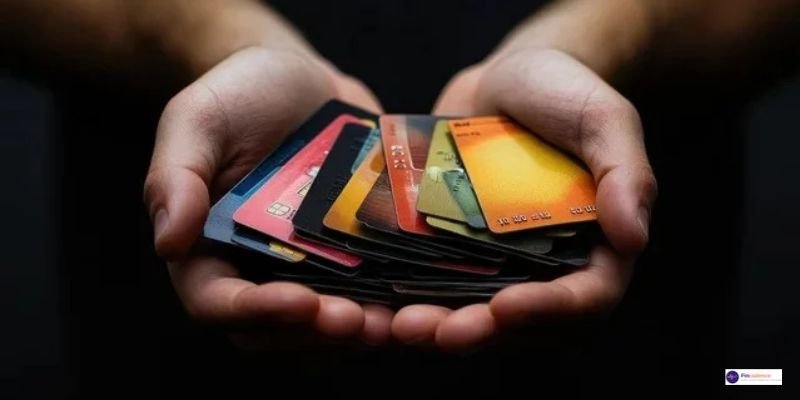
How Many Credit Cards Should I Have? I don’t think there’s a magic number of credit cards for everybody, and I know lots of people who would be totally happy with just one. I’m of the opinion that having more than one credit card can actually be convenient and even beneficial for a number of reasons. Everyone’s situation is different, and to find the right number for you, you have to look at your spending and financial goals and see if you can realistically pay off a bigger balance at the end of the month, or even if you’re okay managing multiple due dates.
It’s also common for people to think having more credit cards means you will have a better credit score. This may be the case, but having a ton of credit cards increases the risk of running a huge balance that you may not be able to pay off. Each month, you can be charging a ton of expenses to a card if you’re not paying it off. This can definitely derail your credit score.
There are a ton of cards out there that are offering tons of bonuses, and the reasons people give for having so many cards can vary. My goal with this article is to take a look at some financial situations that may cause people to add a card to their account and the repercussions that may have on their credit score. Also, there are a lot of credit card mistakes that are very common, and I’d like to go over some of the most common ones and ways to avoid them. How Many Credit Cards Should I Have is an important question to consider when evaluating your financial situation.
How Many Credit Cards Should You Have?
It’s suggested that beginners with credit cards have just one card, because with only one card, you can learn the ins and outs of the credit card system and learn how to efficiently manage your credit. With one card, you can learn how to form good credit habits and learn how to utilize your billing cycle to your advantage. You can learn all of these things and develop good credit habits with just one card. How Many Credit Cards Should I Have is a common question for beginners who are learning to manage credit responsibly.
I believe it is also good to know when you’re ready to advance to a better credit card. Someone who is more experienced with credit cards can easily cover their expenses with 3-4 cards, as well as travel expenses with credit card rewards. They can also use credit cards for emergencies. It is always good to have a couple of travel credit cards and a couple of emergency credit cards; however, opening cards solely for the purpose of a sign-up bonus is not worth it.
This really comes down to financial responsibility. Are you financially responsible enough to have multiple cards? Would having that card help you? Would it provide financial relief?
How Many Credit Cards Does the Average Person Have?
When evaluating your own situation, it is helpful to compare yourself to the average. It is accurate to say the average American has multiple credit cards; however, there is a broad range of what the average can be based on age and economic situation.
Some people like having many accounts to choose from. Others like having just one. Young people typically have fewer accounts, and older people typically have more accounts. The average is not a financial goal to strive for. The correct answer for how many credit cards you should have is to consider that no one’s financial situation is the same as yours.
Benefits Of Having Many Credit Cards
Being responsible with multiple credit card accounts can benefit you in many ways.
Improve Credit Utilization
A factor that can impact your credit score is credit utilization. Credit utilization is your credit card balance compared to your credit limit.
For example, if your credit card limit is $10,000 and your balance is $2,000, your credit utilization is at 20%. If you were to get a new credit card with a credit limit of $10,000 and keep your balance at $2,000, your credit card utilization would be at 10%. It is recommended to keep your credit utilization at 30% or less. It is generally better to have a lower credit utilization.
Earn More Rewards
If you have multiple credit cards, you can earn more cash back and rewards. The type of rewards can vary with different cards.
Have a Backup Payment Option
It is a good idea to keep a credit card as a backup payment option. If your main payment option gets blocked, a backup payment option can be really useful.
Disadvantages of Having Too Many Credit Cards
While there are a lot of benefits to having several credit cards, there are many responsibilities of having several credit card accounts. These accounts need to be managed properly to have a good credit score.
Many Payment Due Dates
With several payment due dates, it increases the chances of missing a payment.
Missed payments cause fees and can negatively impact your credit score. Timing payments with reminders is not the best method and requires constant account monitoring.
Annual Fees and Other Costs
There are cards that charge an annual fee to gain access to travel benefits and airport lounge memberships and various travel insurances. These benefits need to exceed the annual fee for the card to be worth it.
Overspending and Loss of Financial Control
With an increased credit limit, you may feel a false sense of control and the ability to overspend even more. Remember, your available credit is not additional spending money. You are financially irresponsible if you spend money that you do not have.
More Credit Applications
Many hard pulls on your credit report, from multiple credit card applications, can cause your credit score to decrease and may make potential lenders question your financial decisions.
How Many Cards Is Too Many?
Having lots of cards makes it difficult to track your spending and may even lead you to overspending. There is no magic number that determines financial irresponsibility. How Many Credit Cards Should I Have? is a question that depends on your ability to manage your finances responsibly.
A person having 6 cards doesn’t mean they are financially irresponsible. A person may have excellent credit management skills and pay their bills on time. However, a person having only 2 cards can be financially irresponsible and carry a high balance.
You need to look into other factors too. Are you frequently making late payments? Do you have high balances? Do you pay annual fees? Are you constantly opening new cards?
Are you financially irresponsible? If the fees on your cards are justifying themselves and you’re carrying a high balance, then you are being financially irresponsible and should stop opening new cards.
How Do Credit Cards Impact Your Credit Score?
Credit cards are only one factor that determines your credit score. Some others are:
Your Payment History
Missing just one payment can drop your good credit score.
Credit Utilization
If you are carrying a high balance on your credit card with a high credit limit, then your credit utilization is low. However, if you have a high balance on a credit card with a low credit limit, then your credit utilization is high. You want to reduce the amount you owe across your open accounts. Keeping your card balances low helps your credit score.
Length of Credit History
How long you’ve had credit impacts your score as well. Having numerous credit accounts lowers the average length of your credit history. Closing older accounts boosts your score if they had a positive impact.
New Credit Inquiries
Your score decreases if you have too many inquiries from new credit applications. It is suggested that you limit the number of credit cards you apply for.
You can see that having many credit cards is not the only way to improve your credit score. The two most important factors are the balance you owe and payment history. The best way to boost your credit score is through working on these factors. The number of credit cards you have does not impact your score.
How to Decide How Many Credit Cards You Need
The best way to choose your number is to look at your financial situation honestly. Before applying, I recommend considering these practical questions:
- Can you afford your current spending? Your income should comfortably cover your regular expenses and credit card repayments.
- Can you manage multiple statements? If tracking different due dates feels stressful, fewer cards may be better.
- Do additional rewards justify another account? Calculate the actual benefits after annual fees and other costs.
- Are you carrying existing debt? Paying down expensive balances should usually take priority over collecting new cards.
- Do you have a specific financial goal? A travel card, cashback card, or balance transfer offer might serve a clear purpose.
While there is no definite answer to “How Many Credit Cards Should I Have Based on My Lifestyle?”, a good starting point is the number of accounts you are comfortable managing. Adding financial complexity without a clear reason is not worth the effort.
Also Read About: Which Savings Account Will Earn You the Least Money?
Should You Close Unused Credit Cards?
Closing an unused credit card seems like it would simplify your financial situation, but I would look into other factors first before taking that step. When you close a credit card account, the available credit for your total accounts decreases, and if you do not also pay off your balances, your credit utilization increases, which can negatively impact your credit score.
To illustrate, if you have two credit cards with a total limit of $12,000 and a total balance of $2,000, your credit utilization would be approximately 16.7%. If you closed the credit card with the limit of $6,000, your available credit would be $6,000, and your credit utilization would be approximately 33.3%. Of course, you need to also consider the benefits of having the card and the impact on your available credit, but in general, closing an account is not a good idea.
Frequently Asked Questions
Is it a good idea to have three credit cards?
Three credit cards can work well; however, having five credit cards if you already have issues with managing one credit card is not a good idea.
Is having multiple credit cards good for your credit score?
Having multiple credit cards can indirectly benefit your credit score by keeping your available credit high and your credit utilization low.
How many credit cards should you have to build your credit?
One credit card is typically all you need to build your credit; however, having additional credit cards can be considered later on if it adds to your financial situation.
Should I carry only 1 credit card or 2?
It depends on your situation and how disciplined you are. Managing multiple cards can really be beneficial if you utilize each card to its fullest.
Can having multiple credit cards impact my loan approval?
Yes. Having a lot of cards can be risky to lenders. If you have a lot of credit cards and a significant part of your income is going to credit card payments, lenders will view you as a greater credit risk. They consider a lot of factors when you apply for a loan.
Final Thoughts
You really have to understand your financial habits to decide how many cards you need. Having multiple cards won’t improve your credit, and having only one card won’t ruin your credit.
Are you still wondering how many credit cards you should have? You need to think about whether you are able to manage the cards and whether you will be able to reap the rewards.
I think managing what you are able to is the key. Having more cards will be good to you only if you are able to use the cards to their fullest. In the end, using your cards responsibly is what is really important.
For More Articles: Fincadence.com