
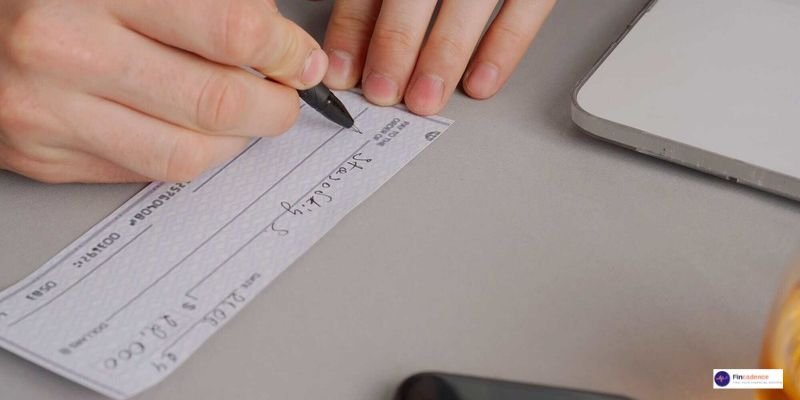
How to Fill Out a Money Order. When you’ve got to pay a bill or send money to someone, and you don’t want to use a personal check, many people turn to money orders. There is a lot of confusion about how to properly complete a money order and make the payment. If you have a money order and don’t know how to properly fill it out, you aren’t alone.
Generally, when filling out a money order, I recommend starting with the name of the person you are paying, verifying the payment amount, and finishing with your name. Money orders also have a memo section, signature area and purchaser information. Knowing the definition of these areas can prevent a payment from being returned.
For this guide, I will cover the basic elements of money orders and share a step-by-step guide on completing money orders issued by the US Postal Service, MoneyGram, and Western Union. In addition, I will cover the most common mistakes people make with money orders and what to do after you’ve made your payment. After reading this, you will have the confidence to handle your money order transactions like a pro.
What Is A Money Order and How Does It Work?
A money order is like a check. It is a payment document used to send money to someone. Money orders are purchased and are not based on the funds available in your bank account, like a personal check.
These can be used when the recipient does not accept cash or personal checks. They can be purchased at participating post offices, financial institutions, and money transfer agents. The buyer pays for the order and any service charge in advance. The recipient can then cash or deposit it as provided by the money order issuer.
I find money orders to be useful for prepaying rent and utility bills, and for other transactions with people who prefer prepaid funds. However, they do present some risks. You should take the same care in protecting the money order as you would cash, because it can be used by someone other than the intended person if lost or stolen.
What information do you need to fill out a Money order?
Prior preparation can prevent misspelled words or omitted information, and unnecessary trips to the issuing location.
You will generally need:
- Recipient’s full name: The exact name of the person or business receiving payment.
- Purchaser’s full name: Your name as the person buying the money order.
- Your mailing address: The address requested in the purchaser information section.
- Payment amount: Confirm that the printed amount matches what the recipient expects.
- Account or reference number: Useful when paying rent, utilities, invoices, or other bills.
- Pen: Use blue or black ink and write clearly.
I also suggest double-checking payment instructions with the recipient before making any purchases. Some organizations require specific business names or a special type of account reference. Having this information beforehand can definitely help ease the process along.
How to Fill Out a Money Order Step by Step
The best way to learn how to fill out money orders is to consider each section individually. Although money orders can vary in appearance and layout, most contain the same types of information.
Step 1: Write Out the Name of the Recipient
This section is usually labeled “Pay To the Order Of” or “Payee.” The name of the person or organization you are giving the payment to is written in this section. Let’s say you are giving payment to your landlord; you would write your landlord’s name in this section.
You need to write out the name exactly as it appears. Money orders use the name as an authorization to transfer payment to a particular person or organization. It is best to fill this section out once the money order is purchased; an unfilled money order can easily get lost or misplaced.
Step 2: Write Out Your Name as the Purchaser
This section is usually labeled “Purchaser” or “Remitter.” This section is usually left for you, the buyer of the money order,r to fill out.
Step 3: Write Your Address as the Purchaser
Some money orders have a section for the purchaser’s address. Enter your current address where required, ed including city, state, and ZIP code.
There is likely no standard format used for these forms across all providers. Consider the labels on the provided fields, and provide information required by the field label.
Step 4: Fill Out the Memo or Account Number Field
A memo is a short note left by you to tell the recipient the reason for the payment. You can write “April Rent” or your account number for electricity payment.
Often, a memo or note section can be used to tell the recipient’s accounting department the reason for the payment and the account for which the payment is made. This helps to ensure the payment is credited to the right account.
Step 5: Sign the Money Order
The purchaser must sign the money order as requested by the issuer. Sign the money order in the provided space on the face of the money order.
Do not sign the money order on the back. Generally, the individual cashing or depositing the money order signs on the back of the money order. Be sure to write your name as requested by the issuer.
Step 6: Check Information
You need to confirm that your address, name, and signature are correct and nothing is missing. This can prevent mistakes later. Review the information and take an extra minute to ensure everything is entered correctly.
How to Fill Out Different Types of Money Orders
Learning to fill out money orders correctly can vary from provider to provider. While the process will generally remain the same, differences in layout can lead to confusion. Familiarize yourself with the labels on your specific money order form to fill it out correctly.
How to Fill Out a USPS Money Order
Money orders issued by the United States Postal Service (USPS) can be purchased at participating post offices. Fill in the requested information according to the instructions printed on the postal document. Be sure to fill in the purchaser information on the customer receipt. This receipt will help you if you need to file a claim or if the money order is lost or delayed.
How to Fill Out a MoneyGram Money Order
Money orders issued by MoneyGram require the name of the money order recipient, the purchaser, the address of the money order recipient, and the purchaser’s signature. Some documents may include a memo or reference field. The amount will be printed on the money order and does not need to be written in by the purchaser.
How to Fill Out a Western Union Money Order
Western Union money orders have a field for the money order recipient, the purchaser, a payment reference, and a signature. Be sure to fill out this information carefully. Retain your receipt. Always be sure to follow the instructions printed on the money order document.
How to Fill Out a Money Order for Different Situations
The situation for which you are making payment can also impact the information you include.
How to Fill Out a Money Order for Rent
When paying rent, fill in the name of the landlord or the management company. You can include details like your apartment number, rental period, or tenant reference when appropriate in the memo.
For instance, if the property manager needs to identify your payment, you can write “May Rent – Unit 305.”
How to Fill Out a Money Order to Pay Bills
When paying an electricity, water, or internet bill, use the company name exactly as it appears on your statement. If a customer/account number is available, enter it in the payment reference section.
How to Fill Out a Money Order to Pay Someone Else
When purchasing a money order for someone else, the information in the purchaser field must identify the actual buyer. The payee information should identify the person for whom the money order is issued. Do not sign a money order for someone else or make changes to the money order without consent.
Common Money Order Mistakes to Avoid
Even when you understand how to fill out money order forms, rushing through the process can lead to mistakes. Some errors are difficult to correct once the document has been issued.
Here are common problems worth avoiding:
- Incorrect recipient name: A spelling error can prevent the recipient from cashing or depositing the document.
- Missing purchaser details: Leaving required information incomplete may create processing problems.
- Wrong signature location: Signing the endorsement area instead of the purchaser section can cause confusion.
- Incorrect account number: A missing digit might result in a delayed or misapplied bill payment.
- Losing the receipt: Without proof of purchase, resolving a missing payment can become more difficult.
- Changing written information: Cross-outs and correction fluid may make the document unacceptable.
My advice is simple: complete every required field carefully and avoid making unauthorized corrections.
What Should You Do After Filling Out a Money Order?
Now that you know how to fill out a money order, you should learn how to protect your payment until it’s received. If your money order provider gives you a customer receipt that is detachable, then you should keep the customer receipt and separate it from the money order document. You should not throw the customer receipt away with the money order package.
If you’re sending payment by mail, put the money order in an envelope that is already addressed to the recipient, and use a trackable mailing service so that you can get delivery information. You can also check the status of your money order through the website of your payment provider if they offer that service.
What Happens If You Make a Mistake on a Money Order?
If you make a mistake while filling out a money order, it’s best not to assume that you can cross it out and change it. Many money order providers have rules against making changes to the payment document. If you had the wrong name for the payee, you should call the money order provider to see if they can tell you what your options are.
If you’re told that you have to submit a request for a refund, cancellation, or a new money order, you should keep your receipt because the money order provider may ask you for the receipt or for the money order when they process your request. The best thing to do in that situation is to call the original money order provider to see what your options are.
Also Read About: How Many Credit Cards Should I Have? Find Out
Simple Tips for Completing a Money Order Correctly
In the past, I’ve recommended people develop a routine when they have to regularly make payments using money orders. This routine should include requesting precise payment instructions from the recipient and purchasing the exact amount needed to prevent an overpayment. Remain in control of the money order by not leaving it unattended, especially if you’re not done filling it out. You have the right to request that the money order be issued in a timely manner.
You can develop a good habit by taking a picture of the completed money order for your records, if you have a safe place to keep the picture. Photographs containing financial or identifying information should not be sent to others.
When trying to figure out how to fill out money order forms, it’s important to understand that the money order issuer’s printed instructions should always take precedence. The issuer’s instructions should help clarify the process. A few careful checks by the payer can alleviate the payee’s concerns.
Frequently Asked Questions
1. How Do I Fill Out a Money Order Correctly?
When filling out a money order to pay someone, you should start by writing in the name of the person or company to whom you want the payment to be made. Next, write your name and address in the purchaser information area. If there is a section for a memo, write what the payment is for. If you’re not sure why the payment is being made, call and check with the payee. Lastly, sign where it says purchaser’s signature. Before handing the money order over to the payee, read the information to make sure there are no mistakes.
2. What Name Goes on a Money Order?
The money order form will have an area titled Pay To The Order Of. That is the area to complete the name of the person who will be receiving the money order. Your name will go in the area titled Purchaser or Remitter. Make certain both names are correct and the same as the information you would like the person receiving the money order to have.
3. Where Do You Sign a Money Order?
Sign the money order in the area labeled Purchaser’s Signature. The money order is ready to be given to the person you are paying. The person endorsing the money order to cash is required to sign on the back of the money order.
4. Can You Make a Money Order Payable to Yourself?
You can write yourself on the money order. Some financial institutions do not allow a person to cash or deposit a money order payable to themselves. Check your rules first.
5. What Happens If I Write the Wrong Name on a Money Order?
Contact the financial institution that issued the money order. Many will not accept a money order that has been altered in any way. You will have to go through a refund and/or replacement process to get it corrected.
For More Articles: Fincadence.com